1st Grade Leopard: An Embroidery Design Review
As an embroidery designer constantly sourcing fresh assets for commercial projects, I approach every new download with a critical eye. When browsing the Back To School category on Creative Fabrica, the 1st Grade Leopard machine embroidery design immediately caught my attention. It promises to add a touch of charm to fabrics, but as someone who produces custom apparel and handmade products for sale, I need to know if that charm translates into clean stitches and sellable goods. After evaluating this digital embroidery file for real-world application, here is my honest assessment of its performance, versatility, and value for fellow creators and Etsy sellers.
Visual Appeal and Stitching Personality
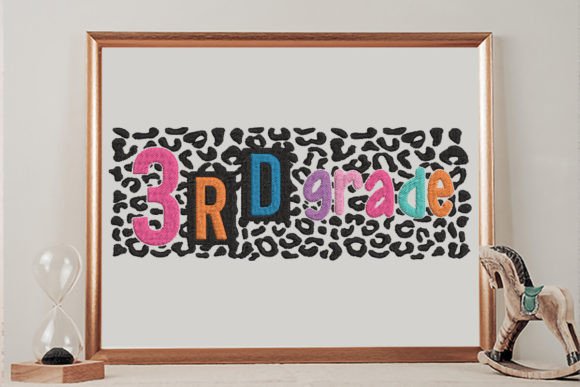
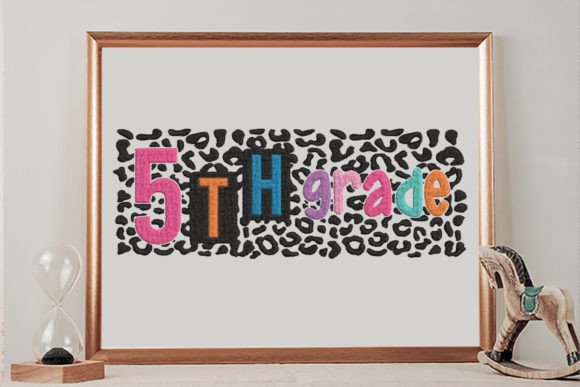
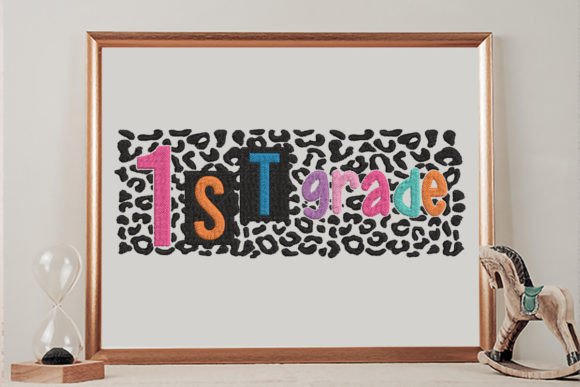
The first impression of 1st Grade Leopard is undeniably whimsical. For a Back To School theme, it strikes a difficult balance: it is age-appropriate for a six or seven-year-old without looking overly infantile. The leopard motif brings a trendy, modern aesthetic that currently performs very well in the personalized gift market. Unlike generic school bus or pencil icons, this animal print style allows for broader color customization, making it a versatile asset for your design library.
From a technical perspective, the design appears to rely on a mix of fill stitch and satin stitch elements to create definition. This combination is crucial for maintaining visual interest without creating a bulletproof patch of thread that could pucker lightweight fabrics. The "cool" factor mentioned in the product description seems to stem from bold outlines and playful proportions. However, before stitching this onto a premium sweatshirt or tote bag, I always recommend examining the stitch density in your embroidery software. Ensuring the density is appropriate for your target fabric is the difference between a professional finished product and a distorted mess.
Real-World Application: Apparel and Accessories
I evaluated 1st Grade Leopard specifically with a customer order in mind: a customized denim jacket and a matching canvas tote bag for a first-grade teacher. Here is how the design translates across different mediums:
- Custom Apparel: On a cotton t-shirt or sweatshirt, this design serves as an excellent left-chest placement or a larger back print. The whimsical nature works beautifully for "First Day of School" photos, which are high-value items for parents. If you are doing commercial embroidery on stretchy knits, ensure you use a cut-away stabilizer to support the stitch structure and prevent tunneling.
- Tote Bag Design: Canvas totes are forgiving, making them ideal for testing new embroidery files. The leopard motif adds a boutique feel to what can sometimes be a plain promotional item. Because tote bags often carry heavy loads, check that the stitch count isn't so dense that it compromises the fabric's integrity over time.
- Home Decor and Towels: The product description suggests stitching this on towels and home decor. For kitchen towels or pillow covers, consider how the design interacts with texture. A running stitch outline might get lost in a terry cloth loop, whereas a thicker satin border would pop. Always test on scrap fabric that matches the weight and weave of your final project.
Technical Considerations for Small Business Owners
For those of us running handmade shops or selling at craft fairs, efficiency and consistency are paramount. While 1st Grade Leopard is visually appealing, practical execution requires diligence. Before listing any item featuring this design, verify the hoop size requirements against your machine’s capabilities. Nothing halts production faster than realizing a design is two millimeters too large for your standard 4x4 hoop after you have already hooped the garment.
Thread colors also play a significant role in the final presentation. Since this is a leopard design, natural browns, tans, and blacks are expected, but don't be afraid to offer seasonal variations. A pink or blue leopard variant can turn a standard Back To School item into a year-round bestseller. Just remember to confirm thread color contrast against both light and dark fabrics. What looks vibrant on white cotton may disappear on navy fleece unless you adjust the underlay or outline color.
If you plan to use this as an applique design, inspect the placement lines carefully. Clean tack-down stitches are essential for preventing fraying edges, especially on items like baby blankets or aprons that require frequent washing. If the file does not include specific applique steps, you may need to modify it in your digitizing software to ensure longevity.
Enhancing Product Value and Buyer Trust
Using high-quality design assets like 1st Grade Leopard directly impacts buyer trust. Customers can distinguish between a hastily stitched file and a professionally executed embroidered patch or garment. When photographing your finished product for Etsy or social media, the crispness of this design will shine. I recommend creating printable mockups using the digital embroidery file before committing to physical samples. This allows you to test market demand and visualize colorways without wasting stabilizer and thread.
Furthermore, brand consistency matters. If your shop focuses on trendy, modern nursery decor or boutique children's wear, this design aligns perfectly with that aesthetic. It avoids the clip-art look that can devalue handmade merchandise. By pairing this whimsical accent with high-quality blanks and professional finishing techniques, you elevate the perceived value of your entire collection.
Essential Pre-Stitch Checklist
Before you run 1st Grade Leopard on a customer order or inventory piece, complete this practical checklist to ensure success:
- Verify Licensing: Always review the specific license terms on the Creative Fabrica product page. Confirm whether you are cleared for commercial embroidery products and if there are limits on the number of physical items you can sell.
- Test on Scrap: Never stitch a new file directly on a sellable item. Test on similar fabric to check for registration issues, density problems, or stabilizer inadequacy.
- Check File Details: Ensure the embroidery file format is compatible with your machine and that the dimensions fit your intended placement area.
- Evaluate Washability: If making baby items or kitchen towels, wash your test swatch. Some complex fill stitches can shrink or distort after laundering if not digitized with proper pull compensation.
- Inspect Small Details: Zoom in on tiny lettering or facial features. If details are smaller than 2mm, they may not stitch out clearly and might require editing.
Final Thoughts for Creative Entrepreneurs
The 1st Grade Leopard machine embroidery design offers a fantastic opportunity for creative entrepreneurs looking to expand their Back To School or children's apparel lines. Its blend of whimsy and trend-aware styling makes it a strong candidate for everything from personalized gifts to boutique merchandise. However, as with any digital asset, its success depends entirely on your technical preparation and material choices.
By treating this design with professional respect—testing densities, selecting appropriate stabilizers, and verifying commercial rights—you transform a simple download into a profitable, high-quality handmade product. Whether you are stitching on caps, patches, or pillow covers, take the time to let the design's personality shine through superior craftsmanship. Your customers will notice the difference, and your portfolio will reflect the dedication of a true embroidery professional.