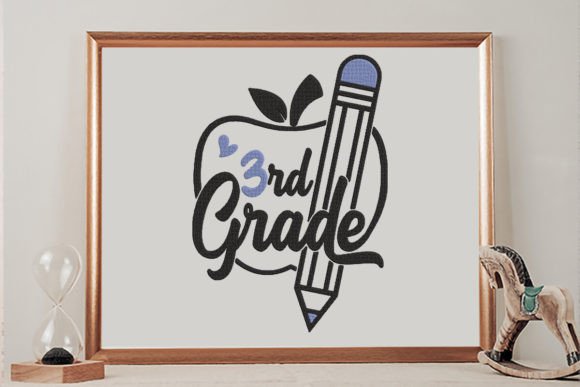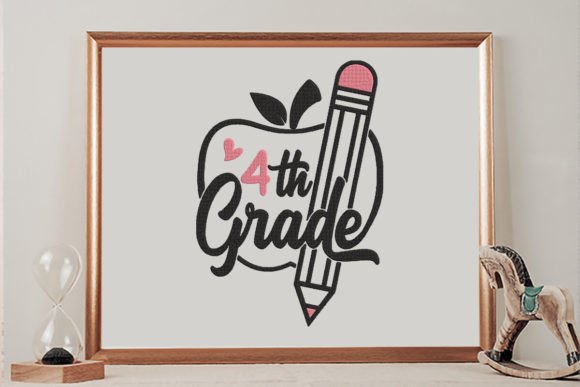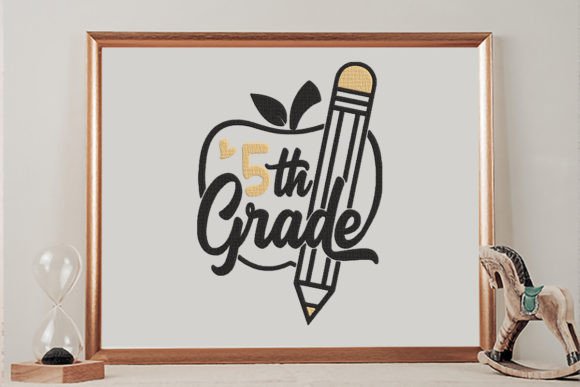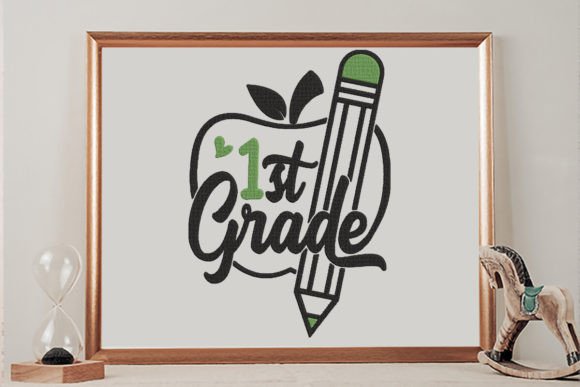
2nd Grade Apple Pencil: Sweatshirt Design Review
As an embroidery designer managing a limited seasonal drop for a boutique brand, I am constantly evaluating digital assets to ensure they translate well from screen to fabric. When preparing a Back To School collection, the balance between nostalgic charm and modern wearability is critical. I recently reviewed the 2nd Grade Apple Pencil machine embroidery design to determine its viability for our upcoming premium sweatshirt line. This review breaks down my technical assessment, aesthetic evaluation, and commercial considerations for fellow Etsy sellers, apparel decorators, and creative entrepreneurs looking to elevate their handmade product offerings.
First Impressions and Aesthetic Vibe
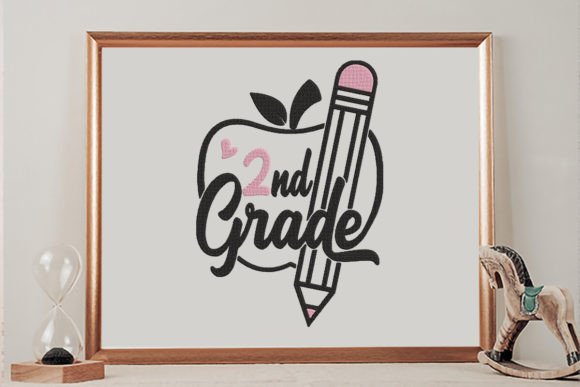
The initial appeal of the 2nd Grade Apple Pencil lies in its specific emotional resonance. It does not feel like a generic clip-art graphic; rather, it evokes a sense of curated nostalgia that performs exceptionally well in the current market. For a boutique brand, this distinction is vital. We are not just selling clothing; we are selling a feeling. The design strikes a balance between playful and polished, making it suitable for adult-sized apparel rather than just children's wear. When visualizing this as a finished product, I see it working beautifully as a left-chest placement on oversized hoodies or centered on neutral crewneck sweatshirts.
The mood is undeniably whimsical yet structured enough to maintain a premium appearance. In my test mockups, the design felt particularly strong against warm neutrals like oatmeal, sage green, and washed charcoal. These backgrounds allow the thread colors to pop without overwhelming the garment. For small shop product photography, this level of visual clarity is essential. The design has enough personality to stop the scroll on social media but remains clean enough to look high-end in lifestyle shots. It avoids the cluttered look that often plagues novelty embroidery, positioning it as a versatile asset for custom apparel branding.
Technical Evaluation for Sweatshirt Embroidery
A pretty image on a computer screen does not always guarantee a quality stitch-out on heavy fabrics. When evaluating the 2nd Grade Apple Pencil for sweatshirt embroidery, my primary concern was how the digitizing handles the texture of fleece and French terry. Sweatshirts present unique challenges due to their pile and stretch. A design intended for towels or home decor, as mentioned in the general description, must be scrutinized before being applied to wearable apparel.
I looked closely at the anticipated stitch density. For commercial embroidery on knit fabrics, we need adequate underlay to prevent the design from sinking into the fleece or distorting when the wearer moves. If the digitizer has optimized this file for apparel, the satin stitches should have sufficient pull compensation to account for fabric push-and-pull. As a professional, I always recommend running a test stitch on the exact blank you intend to sell. Check the stabilizer requirements carefully; a medium-weight cutaway is typically non-negotiable for hoodie design stability to ensure the registration holds up after washing.
Readability at smaller sizes is another technical checkpoint. Since this design might be used as a sleeve accent or a subtle chest logo, the details within the apple and pencil elements must remain distinct when scaled down. Intricate shading or tiny text can become muddy on textured fabrics. During my review process, I verify that the smallest elements are still legible at 3x3 inches. If the design relies heavily on complex fills, it may require adjustment for lighter weight tees versus heavy hoodies. Always verify the hoop size and physical dimensions in the embroidery file metadata before purchasing to ensure it fits your production capabilities.
Commercial Viability for Small Businesses
For Etsy sellers and handmade business owners, every design asset must justify its cost through sales potential. The 2nd Grade Apple Pencil offers excellent versatility across multiple product categories. While it is obviously a hit for Back To School season, its aesthetic allows it to transition into general autumn and winter collections. Teachers, librarians, homeschool parents, and education advocates form a massive demographic that values apparel reflecting their profession with style rather than cliché.
This design also supports higher price points because of its perceived value. A well-executed embroidery design on a premium blank signals quality to the buyer. When customers see crisp stitching and thoughtful placement, trust in the brand increases. I envision this design being part of a capsule collection where the same graphic is offered in different thread colorways to match various sweatshirt bases. This maximizes the ROI on a single digital embroidery file. Furthermore, the design’s clean lines make it easy to create printable mockup previews that accurately represent the final texture, reducing customer hesitation and return rates.
Merchandising and Brand Identity
Incorporating the 2nd Grade Apple Pencil into your lineup can help define a cohesive brand identity. It suggests a shop that understands vintage-inspired aesthetics and quality craftsmanship. For those offering custom apparel, this design serves as an excellent base for personalization. Adding a name below the pencil or a graduation year above the apple can transform a standard stock design into a bespoke keepsake. This customization capability is a key driver for engagement in the handmade community.
However, creators must remain mindful of licensing and usage rights. Ensure the digital seller permits commercial use on finished products if you plan to sell physical goods. Additionally, while the description mentions suitability for towels and home decor, remember that stitch parameters for terry cloth differ vastly from apparel knits. You may need to add extra topping or adjust tension specifically for sweatshirt applications to achieve that boutique-ready finish. Never assume a universal file works perfectly on every substrate without verification.
Production Tips for a Premium Finish
To get the most out of this design for your next drop, consider these practical application tips derived from my own production workflow:
- Thread Contrast Testing: Before listing, stitch samples on your darkest and lightest blanks. Some thread colors that look vibrant digitally may appear dull against heather grey fleece. Adjust your palette to ensure the apple and pencil elements maintain definition.
- Stabilizer Strategy: For oversized hoodies, use a fusible mesh backing in addition to your cutaway stabilizer. This bonds the fabric layers temporarily during stitching, preventing puckering around the design perimeter which is common with dense school-themed graphics.
- Placement Consistency: Create a physical template for hoop placement. Whether centering on a toddler tee or placing on an adult sweatshirt chest, consistent positioning across all units builds brand recognition and professionalism.
- Wash Durability Checks: Wash and dry your test sample three times before approving the design for sale. This reveals any long-term issues with stitch density or stabilizer breakdown that aren't visible immediately after hooping.
- Mockup Accuracy: When creating listings, use photos of actual stitch-outs whenever possible. Digital renderings often fail to capture the sheen of rayon or polyester threads, leading to mismatched customer expectations regarding the handmade product's true appearance.
Ultimately, the 2nd Grade Apple Pencil represents a strong candidate for shops focusing on education-adjacent fashion and cozy seasonal wear. Its success will depend entirely on your attention to technical execution and understanding of your specific audience's taste. By treating this machine embroidery design as a component of a larger brand strategy rather than just a standalone graphic, you can create meaningful, profitable products that resonate with buyers seeking both nostalgia and quality. Always check the specific file details, including formats and license terms, directly from the source before beginning your production run to ensure a smooth and successful launch.