Back to School Smiling Apple: A Merch Review
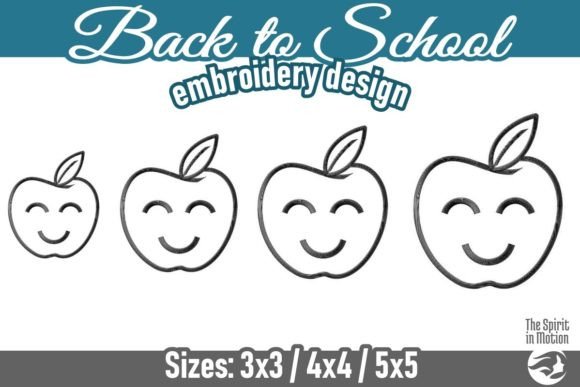
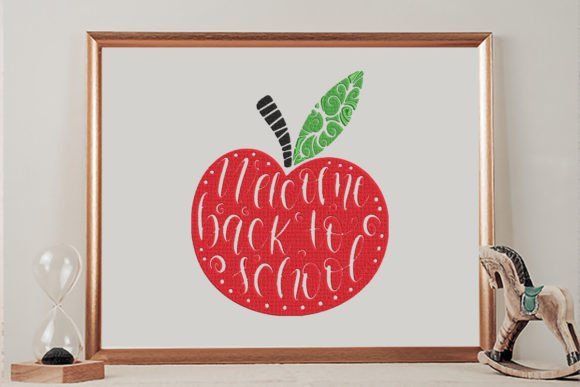
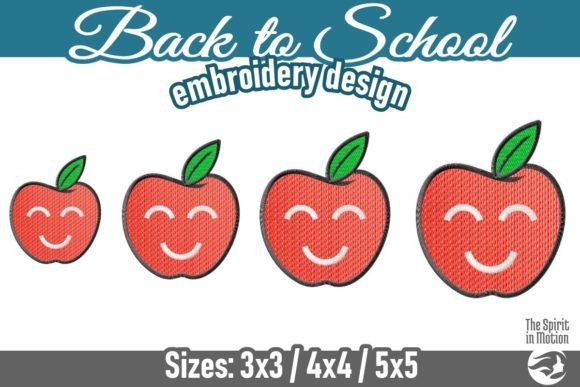
As an embroidery designer who regularly consults with small businesses on merchandise production, I approach every new machine embroidery design with a critical eye toward commercial viability. When evaluating the Back to School Smiling Color Apple, my first impression is one of approachable professionalism. While the name suggests an educational niche, the filled color style and playful cartoon aesthetic offer surprising versatility for creative studios, bakeries, florists, and handmade brands seeking a friendly visual anchor. This is not merely a seasonal graphic; it is a potential cornerstone asset for businesses that want to project warmth, accessibility, and artisanal charm through their brand identity.
Commercial Viability for Small Business Merch
In the realm of small business merch, the success of a design often hinges on its ability to translate digital art into tangible value. The Back to School Smiling Color Apple performs exceptionally well as a primary logo accent or secondary brand mark. For a local bakery or café, this design serves as an excellent chest logo on staff uniforms or as a central motif on apron embroidery. The filled color technique ensures the design reads clearly from a distance, which is vital for customer-facing staff in busy environments.
Beyond apparel, this design has strong potential for retail add-ons. I frequently recommend similar whimsical motifs for tote bag design projects because the bold shapes hold up well against canvas textures. For Etsy sellers and craft business owners, using this embroidery file on product packaging accents or thank-you cards creates a cohesive unboxing experience. It signals to the buyer that the handmade product was created with care and attention to detail. Furthermore, for businesses participating in autumn markets or community events, this design bridges the gap between seasonal relevance and evergreen brand recognition without feeling overly temporary.
Evaluating Brand Identity and Customer Trust
Visual consistency builds trust. When a boutique or creative studio utilizes the Back to School Smiling Color Apple across multiple touchpoints—from custom apparel to social media graphics—it reinforces a narrative of friendliness and quality. A smiling apple implies freshness, knowledge, and positivity. In a commercial setting, these subconscious associations can enhance perceived product value. However, business owners must ensure the playfulness aligns with their specific market positioning. If your brand leans toward ultra-modern minimalism or corporate austerity, this design may feel too informal. Conversely, for brands rooted in community, education, wellness, or artisanal goods, this design acts as a powerful engagement tool that softens the transactional nature of commerce.
Technical Performance on Varied Substrates
A beautiful screen image does not always guarantee a perfect stitch-out. As a professional reviewer, I must highlight where the Back to School Smiling Color Apple requires technical mindfulness during commercial embroidery production. Filled color designs inherently carry higher stitch density. While this provides vibrant coverage, it also introduces risks when applied to lightweight fabrics or performance wear. You must verify that the digitizing allows for adequate pull compensation to prevent puckering, especially on knit polos or stretchy tote materials.
Cap embroidery presents another specific challenge. The curved surface of a hat front can distort circular or rounded elements like an apple. Before committing to a bulk run of caps, test the design's centering and structural integrity on a curved hoop. Similarly, if you intend to use this as an embroidered patch, pay close attention to the border definition. Filled designs need clean satin or merrowed edges to look professional at smaller sizes. If the details become muddy below 3 inches, reserve this design for larger placements like jacket backs or apron bibs rather than sleeve cuffs or pocket logos.
Fabric Texture and Stabilizer Selection
The interaction between thread and fabric is paramount. On textured surfaces like linen aprons or rustic canvas bags, the smooth fill of the apple provides a pleasing contrast. However, on high-pile fabrics like terry cloth or fleece, the design may sink into the material. In these cases, using a water-soluble topping alongside a sturdy cutaway stabilizer is non-negotiable to maintain the crispness of the cartoon features. Always match your stabilizer weight to both the design density and the garment weight to ensure the finished product remains durable through frequent washing, which is essential for staff uniforms and reusable shopping bags.
Strategic Implementation and Designer Notes
To maximize the return on investment for this digital embroidery file, I advise a structured testing protocol before full-scale production. Do not assume the file is ready-to-run for your specific machine and substrate combination. Follow these practical steps to ensure professional results:
- Test in Black and White First: Run a grayscale version to evaluate shading and depth without the distraction of color. This reveals if the facial features and apple contours are distinct enough for small-scale branding.
- Verify Minimum Size Limits: Check the original listing for recommended dimensions. Test the design at your intended smallest size (e.g., for a sleeve patch) to ensure no detail is lost. If stitches merge or text becomes illegible, increase the size or simplify the application.
- Audit Thread Color Contrast: Ensure the selected thread colors provide sufficient contrast against your chosen merchandise base colors. A red apple on a burgundy shirt will disappear; test on actual fabric swatches, not just digital screens.
- Confirm Hoop Size Compatibility: Measure the design’s absolute dimensions and compare them against your available hoops. Leave adequate margin for hooping tension to avoid registration errors during multi-color runs.
- Create a Printable Mockup: Before stitching inventory, generate a printable mockup or physical sample for client or stakeholder approval. Seeing the scale relative to the garment prevents costly resizing mistakes later.
- Review Commercial Licensing: Crucially, confirm the license terms included with the purchase. Ensure you have explicit rights to use the design on items for sale or branded staff gear, not just personal projects.
Integrating Design Assets into Business Workflow
Treat the Back to School Smiling Color Apple as part of a broader ecosystem of design assets. Compare it beside your existing logos and typography. Does the stitch style match? Is the color palette harmonious? Visual cohesion across all finished product lines elevates a small business from hobbyist to professional brand. When used strategically on event merch, customer gifts, or limited-edition seasonal drops, this design adds a layer of emotional connection that generic stock art cannot replicate.
Ultimately, the value of this embroidery file lies in its execution. By respecting the technical requirements of filled color embroidery and aligning the whimsical aesthetic with your specific brand voice, you transform a simple cartoon apple into a robust business asset. Whether adorning a florist’s work shirt or a teacher’s tote bag, proper implementation ensures this design delivers both charm and commercial durability. Always prioritize real-world testing over digital assumptions to protect your brand reputation and minimize production waste.