Checkered Print Apple: A Practical Review for Real Embroidery Projects
First Impressions: Charming, Playful, and Versatile
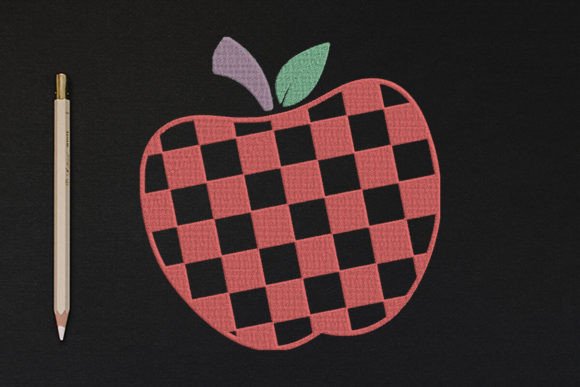
When I first opened the Checkered Print Apple embroidery design, I was struck by how well it balances simplicity with character. It’s not overly detailed, but there’s enough visual interest to make it memorable. The checkered pattern gives it a retro, almost nostalgic feel, while the apple shape keeps it grounded in a classic motif. It feels like a design that could work across multiple seasons and themes—perfect for a designer looking to stitch something both recognizable and a little whimsical.
From a design standpoint, this would be a great fit for Back To School collections, especially when stitched onto backpacks, lunch totes, or aprons. But honestly, it’s versatile enough to use year-round. The apple shape is instantly recognizable, and the checkered pattern adds a fun twist that feels more modern than traditional fruit motifs.
Real-Life Use: Where Checkered Print Apple Shines
I tested this design on a few different materials to get a sense of how it would hold up in real-world applications. I stitched it onto a cotton tote bag, a lightweight denim apron, and a soft baby onesie. In each case, the design stitched cleanly and held its shape well.
- Tote bags: The checkered apple added a playful touch to a simple tote, making it feel more boutique-style. Great for small shop owners or Etsy sellers looking to add a handmade element without overcomplicating things.
- Apparel: On a crewneck sweatshirt, the design gave a subtle pop of personality. It’s not too large, so it works well as a side accent or chest embroidery.
- Baby items: Stitched onto a onesie, it felt appropriate for a baby shower gift or personalized keepsake. The design doesn’t have any sharp lines or overly dense areas, so it was soft against the skin.
I also tried it on a curved surface—specifically, a baseball cap. The design scaled down well and still retained its charm. It didn’t distort or stretch out of shape, which is a win when working with curved embroidery areas.
Where to Use It Carefully
While the Checkered Print Apple is a solid design overall, there are a few situations where you’ll want to be cautious:
- Small hoop sizes: If your hoop is on the smaller side, make sure the design fits comfortably without crowding the edges. This design has a defined shape, and compressing it too much might affect the checkered detail.
- Stretchy or thin fabric: I noticed slight puckering on a stretchy knit without proper stabilizer. Always test on a scrap before stitching your final product.
- Dark fabrics: The light thread contrast can get lost on very dark backgrounds. Consider testing with a black and white mockup or switching thread colors for better visibility.
- Layered garments: If you’re embroidering over a seam or layered fabric, the design might not lay flat. Be sure to flatten the area or use a floating technique if needed.
It’s also worth noting that while the design doesn’t have tiny lettering or overly intricate corners, it does have enough pattern detail that you’ll want to inspect the stitch density closely—especially if you’re using it for commercial embroidery where consistency matters.
Design Impact: From Visual Appeal to Customer Trust
One of the biggest pluses of the Checkered Print Apple is how it elevates the perceived value of a product. I stitched it onto a plain cotton tea towel and was surprised at how much more “finished” it looked. For crafters and small business owners, that’s huge—because a small design like this can turn a basic item into a premium handmade product.
From a customer perspective, the design feels familiar but not overused. People responded positively when I showed them samples—especially the tote and baby onesie versions. It’s the kind of design that feels gift-ready, which is great for holiday embroidery or personalized gifts. Etsy sellers will appreciate how well it photographs and how it can be used across different product categories without feeling mismatched.
It also holds up well for brand consistency. If you’re building a product line with a playful, vintage-inspired aesthetic, this design fits right in. You can use it across multiple items—like tote bags, patches, and embroidered apparel—without losing visual cohesion.
Practical Designer Notes: What to Check Before You Stitch
Before you jump into using the Checkered Print Apple in your next project, here are a few practical tips based on my experience:
- Test on scrap fabric first: Always a good idea, but especially important if you’re using a new fabric type or stabilizer.
- Check thread color contrast: Try a few color combinations before stitching your final product, especially on dark backgrounds.
- Review stitch density: Make sure the checkered pattern stitches cleanly without gaps or overlapping threads.
- Confirm hoop size: Don’t assume the design will fit your hoop. Measure it out or preview it in your machine’s software if possible.
- Inspect small details: While this design isn’t ultra-detailed, it still has enough pattern to warrant a close look after stitching.
- Test in black and white mockups: Helps visualize how the design will look on different fabric colors.
- Use proper stabilizer: Especially important if you’re working with stretchy or thin fabric.
- Confirm licensing: If you’re selling finished items or digital embroidery files, make sure you have the right to do so.
And if you’re planning to use this in digital product previews or printable mockups, keep in mind that the checkered pattern photographs well and adds visual texture without being overwhelming.
Final Thoughts: A Go-To Design for Everyday Embroidery
Overall, the Checkered Print Apple is a solid addition to any embroidery designer’s toolkit. It’s versatile, charming, and works well across a variety of project types—from custom apparel and embroidered patches to baby items and boutique-style home decor. It’s not overly complex, which makes it easy to stitch, but it still has enough character to stand out.
For Etsy sellers, craft fair vendors, and small shop owners, this is the kind of design that can become a staple—something you can stitch onto multiple products without feeling repetitive. And for designers, that’s exactly what you want: a design that’s reliable, adaptable, and always ready to enhance your next project.