Grade 3 Split Colored Pencils Design Review
As an embroidery designer preparing for the upcoming Back To School season, I am constantly evaluating digital assets that can elevate a boutique brand from generic to memorable. When sourcing a machine embroidery design for a premium sweatshirt collection, the difference between a flat graphic and a textured, hand-drawn aesthetic is paramount. Recently, I reviewed the Grade 3 Split Colored Pencils design with the specific intention of using it for a limited capsule drop targeting third-grade students and their style-conscious parents. This review breaks down my technical and aesthetic evaluation of this embroidery file, focusing on its viability for commercial apparel and handmade product lines.
First Impressions and Artistic Integrity
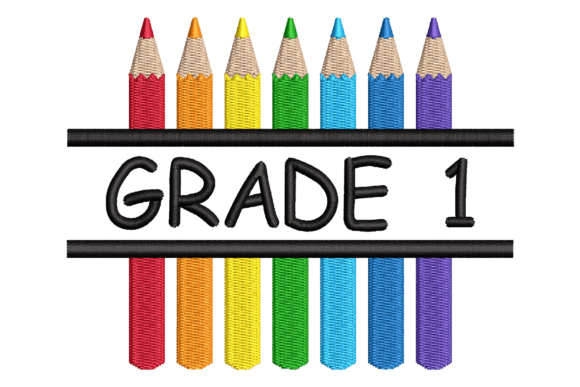
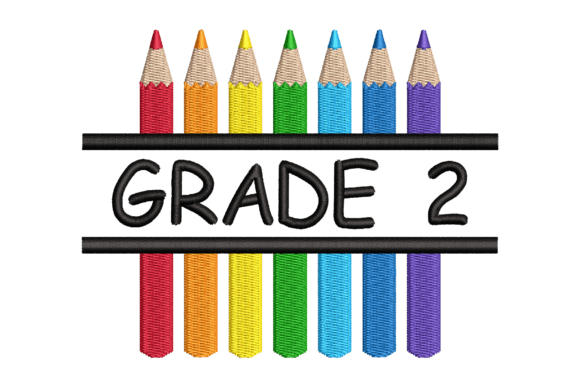
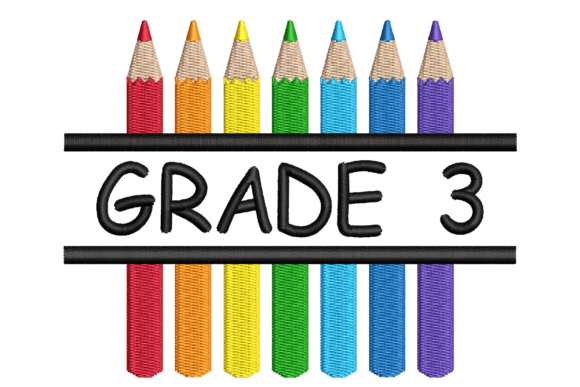
The immediate appeal of the Grade 3 Split Colored Pencils design lies in its described origin as being hand-drawn by an embroidery artist. In an industry saturated with auto-digitized vector art, this distinction matters significantly for a boutique brand. Upon loading the digital embroidery file into my software, the stitch pathing reflects an organic flow rather than rigid geometric fills. The "split" coloring pencil motif offers a playful yet structured layout that avoids looking childish or messy. For a small shop product, this balance is critical; it must read as cute without sacrificing the premium feel that justifies a higher price point.
The mood of the design strikes a nostalgic yet modern chord. It feels appropriate for cozy seasonal apparel, evoking the excitement of new school supplies while maintaining a softness suitable for fashion-forward sweatshirts. Unlike standard clip-art conversions, the stitching personality here suggests texture. As a finished product, I anticipate the split color effect will create visual depth through thread layering, making the pencils pop against neutral fabrics. This artistic integrity is what builds buyer trust and reinforces brand identity for Etsy sellers and apparel decorators who rely on unique design assets.
Application on Premium Sweatshirts and Hoodies
When planning a hoodie design or sweatshirt embroidery placement, versatility is key. I tested the Grade 3 Split Colored Pencils concept across various garment types to assess its commercial viability. On neutral sweatshirts like oatmeal, sand, or heather grey, the design serves as a vibrant focal point. The contrast between the colorful pencils and the muted fabric texture allows the embroidery to stand out without overwhelming the garment. For dark fabrics such as navy or charcoal, the design requires careful thread color selection to ensure the "split" detail remains visible, but when executed correctly, it offers a bold, high-impact look perfect for unisex youth sizing.
For oversized hoodies, this design works exceptionally well as a left-chest placement. The scale implied by the title suggests it is compact enough to sit elegantly over the heart area without distorting on heavy fleece. However, designers should also consider sleeve accents or back designs for larger applications. While the primary description highlights school bags, translating this to apparel requires understanding how the design interacts with garment seams and pockets. For lifestyle product photography and printable mockup previews, the distinct shape of the split pencils photographs cleanly, making it easier for customers to visualize the custom apparel before purchasing.
Technical Considerations for Commercial Embroidery
A beautiful image does not always translate to a stable stitch-out. When evaluating this machine embroidery design for production, several practical concerns must be addressed to ensure washing durability and fabric compatibility. Sweatshirt fleece and French terry have significant stretch and pile, which can swallow fine details. I recommend verifying the stitch density of the file before running production samples. If the density is too high, the design may become stiff and bulletproof; if too low, the fabric texture might show through the split color sections, diminishing the visual impact.
Stabilizer choice is non-negotiable for this type of project. For heavyweight hoodies, a cut-away stabilizer provides the necessary support to prevent puckering around the pencil outlines. For lighter pastel sweatshirts, a medium-weight cut-away or a fusible no-show mesh may be preferable to maintain the drape of the garment. Hoop size selection should minimize empty space to reduce fabric shift. Because this is intended for Grade 3 students, the design must withstand frequent washing. Testing wash fastness with your specific thread colors is essential, especially if using variegated or specialty threads to achieve the split coloring effect. Always check the specific hoop size and license terms included with your file to ensure compliance for commercial embroidery use.
Fabric Texture and Thread Contrast Strategy
The success of the Grade 3 Split Colored Pencils design relies heavily on the interplay between thread colors and fabric texture. On high-pile fleece, satin stitches may sink, so considering a topping or adjusting the underlay is wise. For the split color effect itself, precise registration is vital. Any misalignment between the two halves of the pencil will look like a digitizing error rather than a stylistic choice. I advise running a test stitch-out on the exact fabric you intend to sell. This step confirms whether the design feels strong enough for commercial apparel use and ensures the handmade product quality meets customer expectations.
Elevating Brand Value and Customer Engagement
For creative entrepreneurs and digital sellers, offering a design that feels curated adds tangible value to your shop. The Grade 3 Split Colored Pencils motif taps into a specific emotional niche—the transition to third grade—which drives engagement during the Back To School rush. By positioning this not just as a decoration but as a milestone marker, you enhance the perceived value of the item. The hand-drawn nature of the design supports a narrative of craftsmanship that mass-produced alternatives cannot replicate. This storytelling element is crucial for Etsy listings and social media marketing, where customers connect with the maker behind the machine.
Furthermore, this design’s adaptability allows for product line expansion. Beyond sweatshirts, it translates seamlessly to tote bags, backpacks, and even teacher appreciation gifts. This versatility maximizes the return on investment for the embroidery file. When customers see a cohesive collection featuring this unique artwork across different items, it strengthens visual recognition and encourages repeat business. The design acts as an anchor piece for your seasonal catalog, signaling to buyers that your boutique brand understands both current trends and timeless quality.
Final Verdict for Boutique Production
After thorough evaluation, the Grade 3 Split Colored Pencils design presents as a strong contender for small business apparel collections. Its hand-drawn aesthetic offers the warmth and uniqueness required for a boutique brand, while the subject matter targets a profitable seasonal demographic. Success with this design hinges on proper technical execution: matching stabilizer to fabric weight, ensuring adequate contrast for the split details, and verifying license terms for your intended scale of production.
For apparel decorators and handmade business owners, this design represents more than just a back-to-school graphic; it is an opportunity to showcase technical skill and artistic taste. Whether applied to a cozy oversized hoodie or a structured school bag, the design promises to make items stand out from the rest, provided the maker respects the nuances of embroidery on knit fabrics. As always, sample testing is the bridge between a digital file and a premium finished product. With the right preparation, this design can become a staple in your commercial embroidery lineup, delighting customers and defining your brand’s seasonal identity.