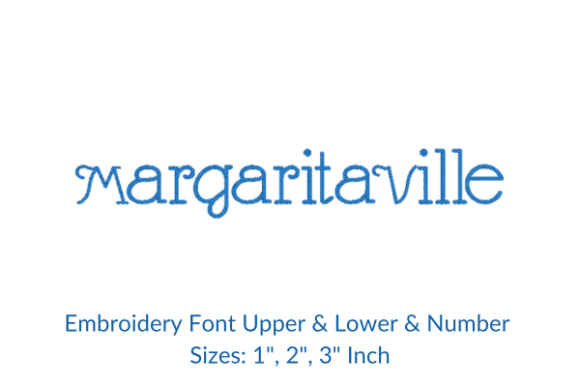
Margarita Ville Font: A Craft Fair Seller’s Review
As an experienced embroidery designer preparing for a busy weekend craft fair, I approach every new machine embroidery design with a critical eye. It is not enough for a font to look beautiful on a computer screen; it must perform under the needle and translate into sales at a booth. When evaluating the Margarita Ville Font for my upcoming market table, I am looking for versatility, production efficiency, and that specific visual appeal that stops customers in their tracks. This review breaks down how this embroidery file holds up when applied to real-world handmade products intended for retail.
First Impressions: Bold Personality Meets Retail Appeal
My immediate reaction to Margarita Ville Font is that it carries a distinct, vibrant personality. Based on the title and description, this is not a stiff, traditional serif or a generic block letter. Instead, it evokes a sense of fun, relaxation, and bold expression. For a craft fair product, this is excellent. Shoppers at handmade markets are often drawn to items that feel personal and lively rather than sterile. The font strikes a balance between decorative and legible, making it ideal for personalization without sacrificing readability from a distance.
While categorized under Back To School, the aesthetic of Margarita Ville Font transcends seasonal limitations. It feels equally at home on a festive tote bag as it does on a personalized teacher gift. As a seller, I value design assets that can be marketed across multiple niches. This font appears to have that crossover potential, allowing me to maximize my inventory investment beyond a single holiday or event.
Top Performing Products for Market Sales
When planning my booth display, I need to know where a font will generate the highest return. Margarita Ville Font shines brightest on items where text is the primary focal point. Here is how I evaluate its application on key inventory staples:
- Tote Bag Design: Canvas totes are a craft fair staple. This font’s likely bold structure makes it perfect for names or short quotes on natural canvas. The contrast of dark thread on unbleached cotton creates an instant bestseller look.
- Apron Embroidery: For kitchenware, legibility is paramount. Margarita Ville Font works exceptionally well for monogramming aprons because the character shapes remain distinct even when viewed while someone is moving. It adds a boutique touch that elevates a standard utility item.
- Tea Towel Embroidery: Linen and flour sack towels require a font that doesn't get lost in the weave. This design seems optimized for medium-to-large sizing on towels, ensuring the stitching sits atop the fabric texture rather than sinking in.
- Embroidered Patches: If you sell standalone patches, this font offers great fill coverage. The letterforms appear substantial enough to hold their shape during the cutting process, reducing fraying risks on finished merchandise.
Production Efficiency and Booth Display Strategy
A pretty font is useless if it takes three hours to stitch out a single name. For batch production, I assess the stitch density and run time. Margarita Ville Font appears designed with commercial efficiency in mind. The description highlights its use for names, dates, and quotes, suggesting it is optimized for variable data entry. This is crucial for Etsy sellers and market vendors who offer on-site customization or quick-turnaround custom orders.
From a display perspective, this font photographs beautifully. High-contrast lettering creates strong thumbnails for online listings and catches the eye across a crowded vendor hall. When arranging my table, I would use Margarita Ville Font on sample pieces placed at eye level. Its distinctive style acts as a visual anchor, drawing customers toward other, perhaps simpler, items in the collection. Consistency in typography also builds brand recognition; using this font across all signage and tags creates a cohesive small shop product line that looks professional and intentional.
Critical Technical Considerations for Makers
Despite its appeal, no digital embroidery file is without limitations. As a professional, I must highlight areas requiring caution to ensure high-quality finished products:
Fabric Texture and Stabilizer Choices
If the Margarita Ville Font features intricate details or open fills, it may struggle on highly textured fabrics like terry cloth or waffle weave. In these cases, using a water-soluble topping is non-negotiable to prevent stitches from disappearing. Always match your stabilizer weight to the fabric; a lightweight tear-away might suffice for canvas totes, but fleece or plush items will require a sturdy cut-away to prevent distortion.
Sizing and Legibility Limits
Decorative fonts often have minimum size thresholds. Before committing to a production run, test the smallest intended size. Tiny details in serifs or connecting strokes can turn into thread nests if scaled down too aggressively. For commercial embroidery on caps or small pouches, verify that the letter height remains above 0.25 inches to maintain clarity. If the font loses definition at small sizes, reserve it for larger statement pieces and use a simpler sans-serif for secondary text.
Thread Colors and Contrast
The visual impact of Margarita Ville Font relies heavily on contrast. Dark threads on dark fabrics will fail to showcase the design's nuances. When selecting thread colors, prioritize high-visibility pairings. Variegated threads can add interest but may obscure complex letterforms; solid, matte threads often provide the cleanest read for retail goods. Always create a physical color chart sample before mass-producing items for sale.
Designer Notes: Pre-Sale Verification Checklist
Before listing any item featuring this font or bringing it to a fair, complete this essential checklist. While the description confirms this is a high-quality tool for personalization, specific technical parameters vary by digitizer:
- Verify Commercial Licensing: Confirm that your purchase includes rights to sell finished embroidered goods. Some files are for personal use only, which would disqualify them for craft fair products.
- Check Hoop Size Compatibility: Ensure the largest capital letters fit within your machine’s maximum embroidery area. Nothing halts production faster than realizing a quote requires re-hooping mid-design.
- Create a Real Mockup: Do not rely solely on software simulations. Stitch out a printable mockup alternative—a physical sample on your actual selling substrate—to judge hand-feel and drape.
- Test on Scrap Fabric: Run a test stitch-out on the exact material you plan to sell. Check for puckering, registration issues, or excessive jump stitches that could slow down finishing.
- Review Spacing and Kerning: Automated spacing in embroidery software isn’t always perfect. Manually adjust kerning for specific names to ensure balanced proportions, especially with unique character combinations.
Margarita Ville Font represents a strong opportunity for makers seeking to add personality to their inventory. By understanding its strengths in bold personalization and respecting its technical requirements, you can transform this embroidery file into a profitable asset for your handmade business. Whether you are stocking Etsy shelves or setting up for a weekend market, thoughtful application of this font can elevate your brand and delight your customers.