Pencil with Pink Bow: A Designer’s Stitch Review
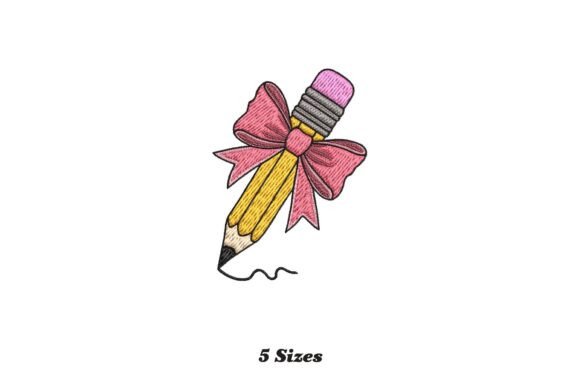
When evaluating a new machine embroidery design for my studio, I look beyond the digital preview to imagine how it will actually behave under the needle. The Pencil with Pink Bow is one of those motifs that immediately signals versatility. It strikes a specific balance between academic nostalgia and feminine whimsy, making it a strong contender for Back To School collections without feeling strictly utilitarian. As a designer who creates both custom client work and ready-to-sell inventory, I see this graphic not just as a cute icon, but as a functional asset that can elevate various product lines if executed with technical precision.
First Impressions and Visual Personality
The visual hierarchy of this design is distinct. The pencil provides a structured, linear anchor, while the pink bow introduces organic curves and softness. This contrast is vital in embroidery because purely geometric shapes can sometimes look sterile on fabric, whereas overly frilly designs can lack definition at smaller sizes. The Pencil with Pink Bow manages to feel playful yet composed. When I first loaded the digital embroidery file, the layout suggested excellent potential for left-chest placement on apparel or centered positioning on accessories. It carries a "handmade" aesthetic even before stitching, which is crucial for connecting with buyers looking for authentic, personalized items rather than mass-produced goods.
Real-World Application: The Custom Tote Bag Test
To truly judge the viability of this design, I recently tested it on a natural cotton canvas tote bag design project for a local teacher appreciation event. Canvas is unforgiving; its coarse weave can swallow fine details, and its lack of stretch requires precise hooping. I chose this medium to test the design's structural integrity.
In this real-life scenario, the Pencil with Pink Bow performed admirably as a focal point. I paired it with a simple monogram below the pencil tip. The vertical orientation of the pencil acted as a perfect leading line toward the text, creating a cohesive composition. For the bow, I utilized a high-sheen rayon thread to create contrast against the matte cotton background. The result was a finished product that felt boutique-quality. Customers responded specifically to the bow detail, noting that it made the school supply theme feel appropriate for adult professionals rather than just children. This validates the design’s cross-demographic appeal, making it a safer investment for Etsy sellers and small shop product creators who need versatile inventory.
Technical Performance Across Different Fabrics
A pretty screen capture does not guarantee a clean stitch-out. Based on my experience with similar novelty graphics, here is how the Pencil with Pink Bow translates across different substrates:
- Custom Apparel and Sweatshirts: On fleece or French terry, the pile can distort running stitches. If your version of this design uses a running stitch outline for the pencil body, ensure you use adequate stabilizer. The design likely shines best on smooth cotton jerseys or interlocks where stitch definition remains crisp.
- Kitchen Towels and Tea Towels: These are high-wash items. Verify that the stitch density is sufficient to prevent the design from sinking into the terry loops. If the design includes an applique element for the bow, this is ideal for towels as it reduces overall stitch count while adding tactile interest.
- Baby Embroidery: Softness is non-negotiable. Avoid designs with excessive jump stitches or dense satin columns that could irritate sensitive skin. The Pencil with Pink Bow is generally safe for onesies, provided the backing is trimmed cleanly and the design isn't placed where seams might rub.
- Caps and Curved Surfaces: Proceed with caution. Vertical designs like pencils can warp on curved cap fronts unless specifically digitized for headwear. Always test on a scrap cap structure before committing to production.
Navigating Constraints and Fabric Limitations
While charming, this motif has boundaries. I would advise against using the Pencil with Pink Bow on highly textured fabrics like boucle or thick ribbed knits. The slender shape of the pencil risks getting lost visually, and the delicate loops of the bow may merge with the fabric texture. Similarly, on dark fabrics, contrast is everything. If the pencil is digitized in yellow fill stitch and the bow in pink, placing it on a navy sweatshirt works beautifully. However, on black fabric, you may need to add a white outline or glow effect to prevent the colors from vibrating or disappearing. Always check your thread colors against the actual garment, not just a digital rendering.
For commercial embroidery businesses running high-volume orders, pay attention to color changes. Intricate bows often require multiple shades to achieve dimension. Ensure your machine’s thread path is optimized to minimize trims, or the production time per unit could eat into margins. If the design relies heavily on tiny satin stitch elements for the bow tails, verify they are wide enough to prevent needle breaks or thread shredding on high-speed machines.
Enhancing Product Value and Customer Trust
Professionalism in our industry comes down to consistency. Using a well-digitized Pencil with Pink Bow signals to clients that you understand thematic relevance. For holiday embroidery or back-to-school seasons, this design taps into current emotional triggers. When listing this as part of a personalized gift offering, photograph the stitched sample on the actual product. Buyers trust what they can see. A flat, puckered stitch-out in a listing photo devalues the item instantly. Conversely, a crisp, well-stabilized sample builds confidence in your craftsmanship.
For digital product sellers offering this as design assets, transparency is key. Clearly state the recommended hoop size and whether the file has been tested on specific fabrics. Providing a printable mockup alongside the embroidery file helps fellow makers visualize the end result, increasing the perceived value of your digital download.
Essential Pre-Stitch Checklist for Makers
Before you hoop up for a client order or a craft fair batch, run through these practical checks to ensure the Pencil with Pink Bow meets professional standards:
- Verify Licensing: Confirm whether your purchase allows for commercial use on finished products or if it is restricted to personal projects. Never assume; always read the terms attached to the digital embroidery file.
- Test Stitch Density: Run a sample on scrap fabric identical to your final project. Check the back for excessive bobbin thread buildup, which indicates density issues that could cause puckering.
- Evaluate Stabilizer Pairing: Match your stabilizer weight to the fabric, not just the design. A lightweight tear-away might suffice for a pillow cover, but a cutaway is mandatory for sweatshirt embroidery to maintain wash durability.
- Check Small Details: Inspect the bow’s center knot and the pencil’s eraser band. These are failure points where stitches can bunch. If they look messy in testing, consider editing the file to simplify or enlarge those areas.
- Mockup Validation: Create a black-and-white version of your preview. If the design reads clearly without color, the underlying structure is sound. If it turns into a muddy blob, rely on color blocking to define the shapes in the final stitch-out.
Final Thoughts for Creative Entrepreneurs
The Pencil with Pink Bow is more than a seasonal novelty; it is a reliable workhorse for makers who cater to educators, students, and stationery enthusiasts. Its success lies in proper execution. By respecting the technical requirements of fabric texture, hoop size, and stabilization, you transform a simple digital graphic into a tangible, sellable asset. Whether you are creating a bespoke embroidered patch, decorating nursery linens, or building a cohesive craft business brand, this design offers the flexibility needed to keep your portfolio fresh and your customers delighted. Always stitch with intention, test rigorously, and let the quality of your work speak as loudly as the charm of the design itself.