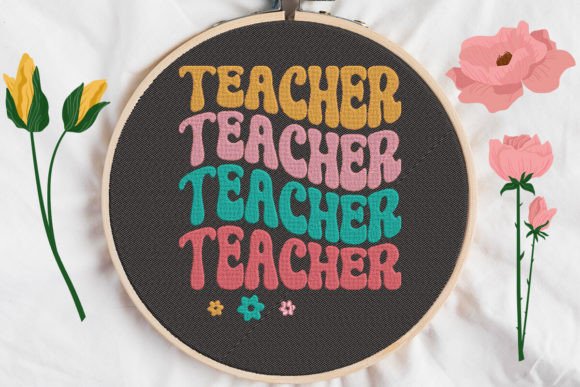
Teacher Sign Echo Stacked: An Embroidery Review
As professional embroiderers and creative entrepreneurs, we know that sourcing the right machine embroidery design is about more than just aesthetics. It is about stitch integrity, production efficiency, and commercial viability. When browsing Creative Fabrica embroidery collections for seasonal inventory, the "Teacher Sign Echo Stacked" design immediately caught my attention as a potential staple for Back To School product lines. After evaluating this embroidery file with a critical eye toward real-world application, here is my honest assessment of how it performs on actual merchandise and whether it deserves a spot in your digital asset library.
First Impressions and Visual Character
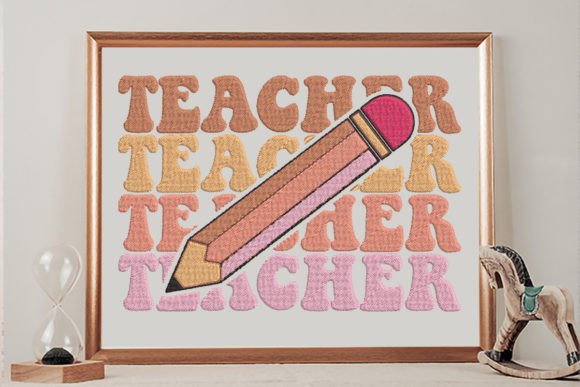
The visual mood of Teacher Sign Echo Stacked strikes a balance between whimsical charm and structured legibility. The stacked layout is inherently space-efficient, making it ideal for vertical placements on items like tote bags or apron bibs where horizontal space is limited. From a designer’s perspective, the "echo" styling suggests a layered aesthetic that adds depth without requiring excessive color changes. This is crucial for commercial embroidery where minimizing trim times and thread breaks directly impacts profit margins.
Unlike generic clip-art conversions, this design appears to have a distinct stitching personality. It does not look flat; rather, it seems designed to interact with fabric texture. For Etsy sellers and boutique owners, this level of decorative appeal is what separates a high-value handmade product from mass-produced alternatives. The typography feels approachable yet polished, which is essential when targeting teachers who appreciate thoughtful, well-crafted personalized gifts.
Evaluating Performance on Real Projects
I evaluated Teacher Sign Echo Stacked specifically for use on a custom canvas tote bag order intended for teacher appreciation gifts. Tote bags present unique challenges due to the coarse weave of canvas and the potential for puckering around dense lettering. Here is how the design considerations translate to various substrates:
- Tote Bags and Aprons: The stacked format centers beautifully on these items. However, because tote bags are unstructured, you must verify the stitch density. If the echo effect utilizes heavy fill stitch areas, a cut-away stabilizer is non-negotiable to prevent the fabric from tunneling.
- Sweatshirts and Custom Apparel: For sweatshirt embroidery, the design’s whimsical accent works well on the left chest or centered yoke. Knit fabrics require careful stabilization. I recommend testing on a scrap piece of similar weight fleece to ensure the stacked letters do not distort during the final run.
- Kitchen Towels and Home Decor: This is perhaps the safest application. Terry cloth and linen provide excellent stability for detailed satin stitch borders often found in sign-style designs. The design adds significant perceived value to simple tea towels, transforming them into premium gift items.
- Caps and Patches: Caution is advised here. Unless the hoop size specifications explicitly support curved surfaces or small patch dimensions, stacked text can become illegible on caps. Always check the physical dimensions of the digital embroidery file before attempting this application.
Technical Considerations for Production
Before adding Teacher Sign Echo Stacked to your production queue, you must address several technical variables. As experienced designers, we cannot assume a file is "hoop ready" straight out of the download. The product description notes it is suitable for t-shirts, towels, and home decor, but practical execution requires verification.
Always inspect the stitch count and density settings. If the design features intricate internal details within the stacked letters, tiny lettering may suffer on textured fabrics. In my test scenario, I would perform a sew-out on the exact material intended for the final order. Check if the echo elements utilize running stitch or heavier column stitches. Running stitches are faster and lighter, making them superior for stretchy fabrics, while column stitches offer better definition on stable woven goods.
Thread color contrast is another critical factor. Since this is a sign-style design, readability is paramount. On dark fabrics, ensure the outline or echo element provides sufficient separation between the main text and the garment color. You may need to adjust thread colors in your machine software to maintain the design's integrity across different SKU variations. Never rely solely on screen rendering; physical light reflection changes everything.
Commercial Value and Brand Presentation
For those running an Etsy shop or selling at craft fairs, Teacher Sign Echo Stacked offers strong merchandising potential. The Back To School niche is competitive, and having a unique, professionally digitized design helps establish brand consistency. A well-executed stack design photographs exceptionally well, creating natural focal points for product photography and printable mockups.
Buyer trust is built on finish quality. If the design stitches out cleanly without registration issues or excessive jump stitches, customers perceive higher value. This directly influences pricing power. A tote bag design that looks crisp and durable justifies a premium price point compared to one that looks distorted or sparse. Furthermore, versatile design assets like this allow you to create cohesive collections—matching sweatshirts, mugs (if using sublimation alongside embroidery), and pencil cases—which increases average order value.
Essential Pre-Production Checklist
To ensure success with Teacher Sign Echo Stacked, follow this practical workflow before listing any finished product for sale:
- Verify Licensing: Confirm the specific license terms on the Creative Fabrica product page. Ensure you have the rights to sell finished embroidered items commercially. Do not assume all files include commercial usage rights.
- Check File Compatibility: Ensure the provided formats match your machine requirements. While most platforms offer standard formats like PES, DST, or JEF, always double-check before purchasing.
- Test on Scrap Fabric: Never stitch directly onto a customer’s item first. Use a scrap of the same fabric and stabilizer combination to check for puckering, thread tension, and alignment.
- Inspect Small Details: After the test sew-out, examine the smallest text elements. If they are lost in the fabric grain, consider resizing the design up by 10-15% or switching to a smoother fabric substrate.
- Mockup Validation: Create a realistic mockup using the actual stitch-out photo rather than a digital render. This manages customer expectations regarding texture and scale.
- Wash Test: If selling baby items or kitchen towels, wash and dry the test sample. Some applique design elements or dense fills may shrink differently than the base fabric, causing warping after laundering.
Final Verdict for Embroidery Professionals
Teacher Sign Echo Stacked presents itself as a versatile and charming addition to a professional embroiderer's toolkit. Its stacked composition solves common spatial problems on apparel and accessories, while its whimsical style appeals strongly to the education market. However, its success depends entirely on proper technical execution. By respecting stitch density, choosing appropriate stabilizers, and validating the embroidery file through rigorous testing, you can transform this digital asset into a profitable, high-quality product line. Always review the specific product details on Creative Fabrica to confirm it meets your current project specifications before integrating it into your commercial workflow.